You have probably seen zone 2 cardio come up everywhere lately. Podcasts, fitness influencers, longevity researchers. It sounds like another thing to add to an already full plate. It is not. Zone 2 is actually the most forgiving, sustainable form of cardio you can do, and your body is designed for it.
Heart rate training has been around for decades in elite endurance sports. What changed is that researchers studying metabolic health and longevity started making the case for why this specific intensity range matters for everyone, not just athletes. The science is compelling. The good news is that applying it is much simpler than the terminology suggests.
Here is what zone 2 actually is, why it works, and how to fit it into a real, busy life.
Zone 2 is not about going harder. It is about going long enough, consistently enough, at an intensity your body can actually sustain and recover from.
What Zone 2 Actually Means
Heart rate zones divide exercise intensity into five levels based on percentage of maximum heart rate. Zone 1 is light movement like a gentle walk. Zone 5 is a full sprint. Zone 2 sits at roughly 60 to 70 percent of your maximum heart rate. It is the intensity where you can hold a conversation but would not want to sing. Effort is present, but it is controlled.
At this intensity, your body primarily burns fat as fuel rather than glucose. Mitochondria, the energy-producing structures inside muscle cells, become more efficient and more numerous with repeated zone 2 exposure. Over time this improves your body's ability to use fat for energy at rest, manage blood sugar, and sustain effort without crashing. It also lowers resting heart rate and reduces cortisol output compared to higher-intensity training.
For busy women managing stress, sleep debt, and packed schedules, that last point matters more than most people realize. Hard cardio spikes cortisol. Zone 2 does not. It trains your cardiovascular system without adding to your stress load.
How to Know You Are in Zone 2
You do not need a heart rate monitor to find zone 2, though one makes it easier. The most practical test is the talk test. If you can speak in full sentences without gasping, you are likely in zone 2. If you cannot get a sentence out, you have gone too hard. If you could sing comfortably, you are probably too easy.
For those who want a number, a rough formula for maximum heart rate is 220 minus your age. Zone 2 is 60 to 70 percent of that number. For a 30 year old, that is roughly 114 to 133 beats per minute. A fitness tracker or chest strap will give you real-time feedback if you want to be precise, but it is not required to get the benefit.
Five Ways to Do Zone 2 That Actually Fit Your Life
Walk briskly, especially outdoors
A brisk walk at a pace that slightly elevates your breathing puts most people squarely in zone 2. It requires no equipment, no gym, and no recovery time. A 30 to 45 minute walk before work or during a lunch break counts. Hilly terrain or a slightly faster pace can push heart rate up if flat walking feels too easy. This is the most accessible zone 2 option available and one of the most underrated forms of exercise overall.
Use a stationary bike or elliptical at a steady, moderate pace
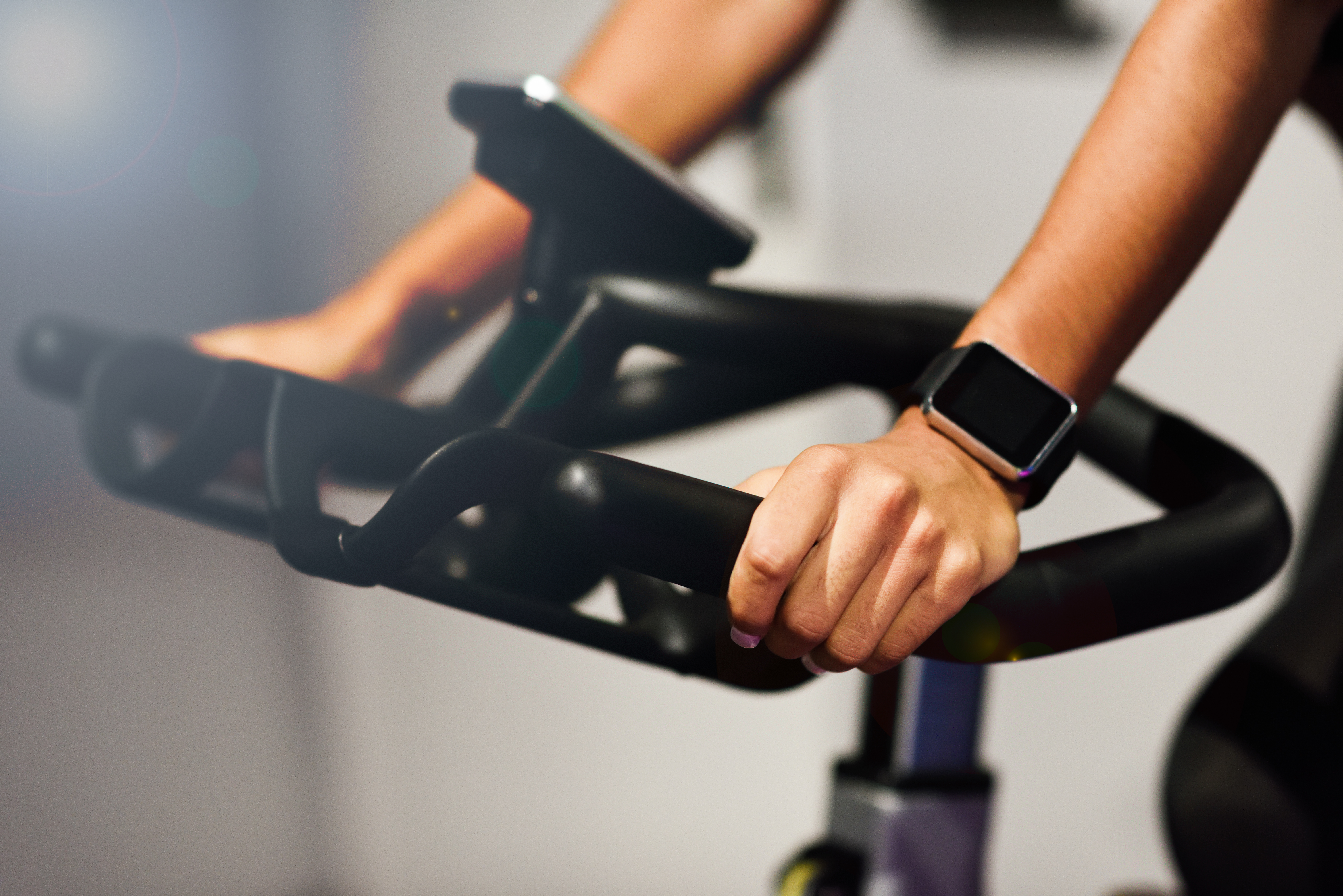
Cardio machines make zone 2 easy to control because you can set resistance and pace and hold it. The goal is steady state effort, not intervals. Avoid the temptation to push harder. Many people find that true zone 2 on a bike feels almost too easy at first, especially if they are used to high-intensity training. That feeling is the point. Thirty to sixty minutes at this pace, two to four times per week, is enough to see meaningful change over time.
Try a slow, conversational jog or run
If running is part of your routine, zone 2 means slowing down considerably. Most recreational runners train too hard most of the time, which limits their aerobic development and increases injury risk. Slowing your easy runs to a pace where you can speak comfortably builds your aerobic base in a way that faster running does not. It can feel humbling at first. It pays off over weeks and months.
Swim at an easy, steady pace
Swimming is an excellent zone 2 option for anyone with joint sensitivity or who simply enjoys it. The key is to keep the pace steady and resist the urge to sprint laps. Easy freestyle or breaststroke for 30 to 45 minutes, focusing on breathing rhythm and relaxed technique, keeps heart rate in the right range for most people. The low-impact nature of swimming also means it pairs well with strength training days without adding to recovery demands.
Stack it with something you already do
Zone 2 does not require a separate block of time carved out of an already packed schedule. Walking while taking phone calls, cycling while watching a show, or using a treadmill during a long meeting are all legitimate ways to accumulate zone 2 minutes. The intensity is low enough that cognitive function is not impaired, which makes it uniquely stackable with other activities. If the barrier to doing it is time, this is the workaround.
Consistency is the entire game with zone 2. One long walk does nothing. Twenty long walks over six weeks starts to change how your body works at a cellular level.
Key Takeaways
- Zone 2 is 60 to 70 percent of max heart rate, the intensity where you can talk but not sing
- It trains your body to burn fat more efficiently and improves mitochondrial health over time
- Unlike high-intensity cardio, zone 2 does not spike cortisol or add to your stress load
- A brisk walk, easy bike ride, slow jog, or swim all count if heart rate is in range
- Aim for 30 to 60 minutes, two to four times per week, done consistently
- Stacking it with activities you already do removes the barrier of finding extra time
You do not need to suffer through cardio for it to work. Sometimes the most effective thing is also the most sustainable one. Show up, keep the pace easy, and let consistency do the rest.